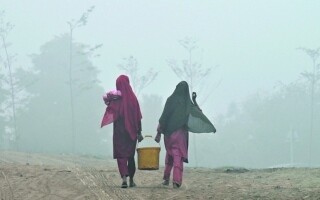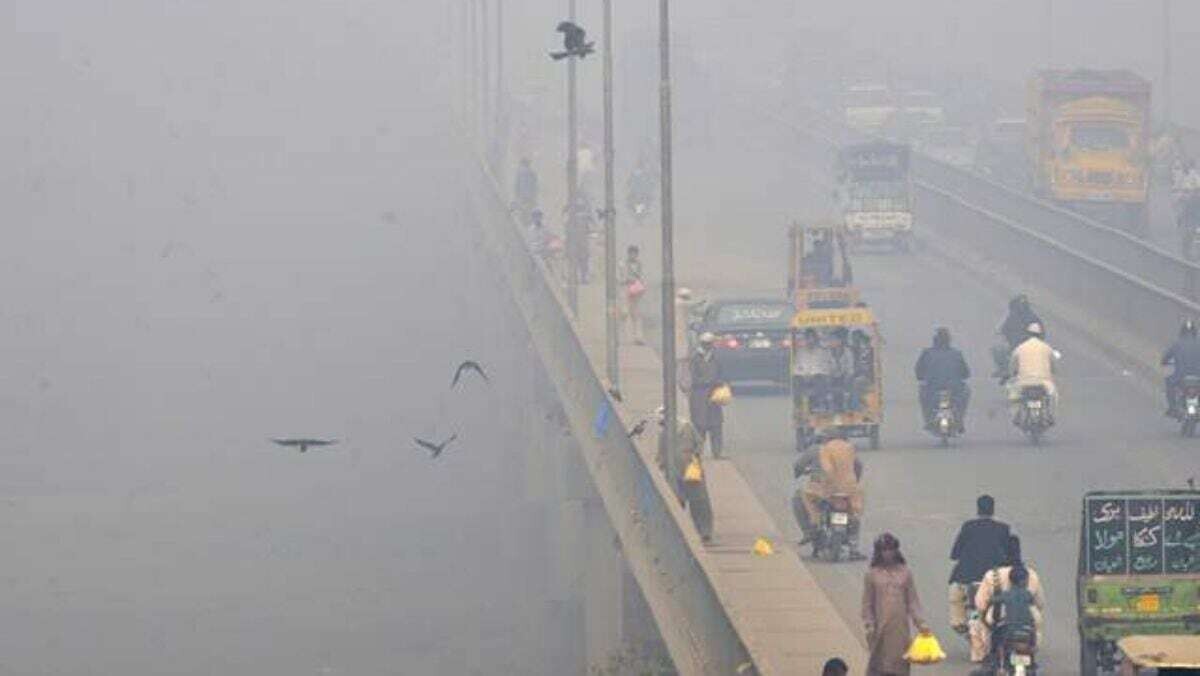
Pollution has reached alarming levels in Lahore, Pakistan, where only about 30% of the population uses masks, leaving the rest exposed to the dangers of toxic air. The city's inhabitants have been confined to their homes for several days, unable to distinguish between day and night due to the oppressive layer of toxins covering the sky.
The consequences of this situation are evident in the health of the population, with numerous cases of respiratory problems, coughing, and sore throats. People like Martha Lal, 77 years old, mention the absence of the sun and the reddish tint it takes when they manage to see it through the toxic fog. Many even avoid going to the doctor for fear of worsening their condition by exposing themselves even more to the polluted air.
The pollution crisis affects not only Lahore but the entire South Asian region, where India and Pakistan are engulfed in a dense toxic haze every winter. In response to this situation, authorities have closed schools, parks, zoos, and museums in major cities until November 17, as well as implemented measures such as remote work to reduce street traffic.
In the midst of this emergency, hospitals and clinics in Pakistan are faced with an increase in patients with respiratory conditions, while health authorities try to cope with the devastating effects of pollution. Despite the seriousness of the situation, the use of masks remains low, and the population continues to be exposed to very high levels of toxic particles in the air.