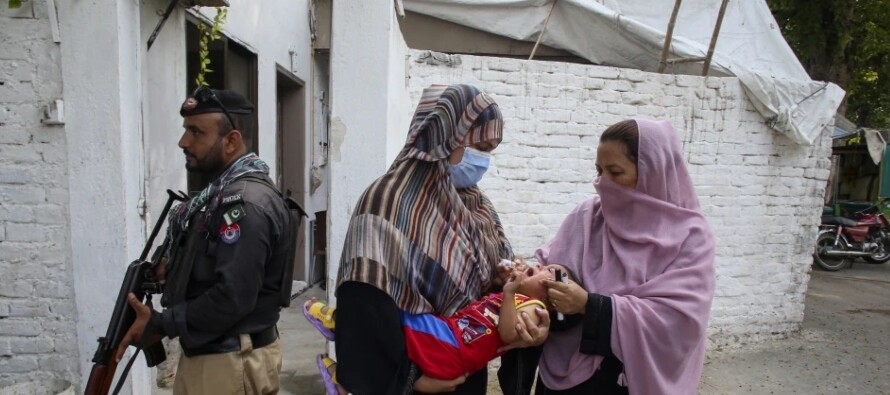
In June, Afghanistan implemented a house-to-house vaccination strategy for the first time in five years, successfully reaching most of the children it was aimed at, reported the WHO. Meanwhile, health authorities in Pakistan expressed their interest in having both countries conduct simultaneous anti-polio campaigns. Unfortunately, armed groups launched unfounded accusations, claiming that these campaigns are part of a Western conspiracy to sterilize children.
Concern is rising due to the increase in polio cases in Pakistan, particularly in the provinces of Balochistan, Sindh, Khyber Pakhtunkhwa, and Punjab. Authorities are worried about the locations of the new cases, as they had previously been detected in unstable regions near the border with Afghanistan, where the Taliban government abruptly stopped a vaccination campaign in September.
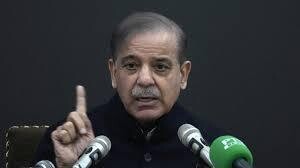
"Pakistan aspires to become a polio-free state, and these campaigns are crucial to achieving that goal," said a representative from the health authorities. Despite the challenges, the country is preparing for a new national vaccination campaign aiming to immunize at least 32 million children, amid a troubling rise in confirmed polio cases this year.
For its part, the World Health Organization has confirmed 18 polio cases in Afghanistan so far this year, with most concentrated in the south of the country. This figure represents a significant increase compared to the cases reported the previous year. The fight against polio in the region continues to face challenges, especially due to violence against health workers and the security forces that protect them, hindering efforts to eradicate the disease.