Malala Yousafzai has become a global symbol of the fight for girls' education since she was attacked by Taliban members in 2012 in Pakistan for opposing restrictions placed on women in education. Alongside her father, Ziauddin, she continues to advocate for the right to education, receiving support and recognition from various international organizations.
In 2009, Malala began writing an anonymous blog about military activity in her region and her concerns for the safety of her school. After the attack against her, her brave stance led her to be awarded the Nobel Peace Prize in 2014. Since then, she has tirelessly worked to promote education for girls and young people around the world.
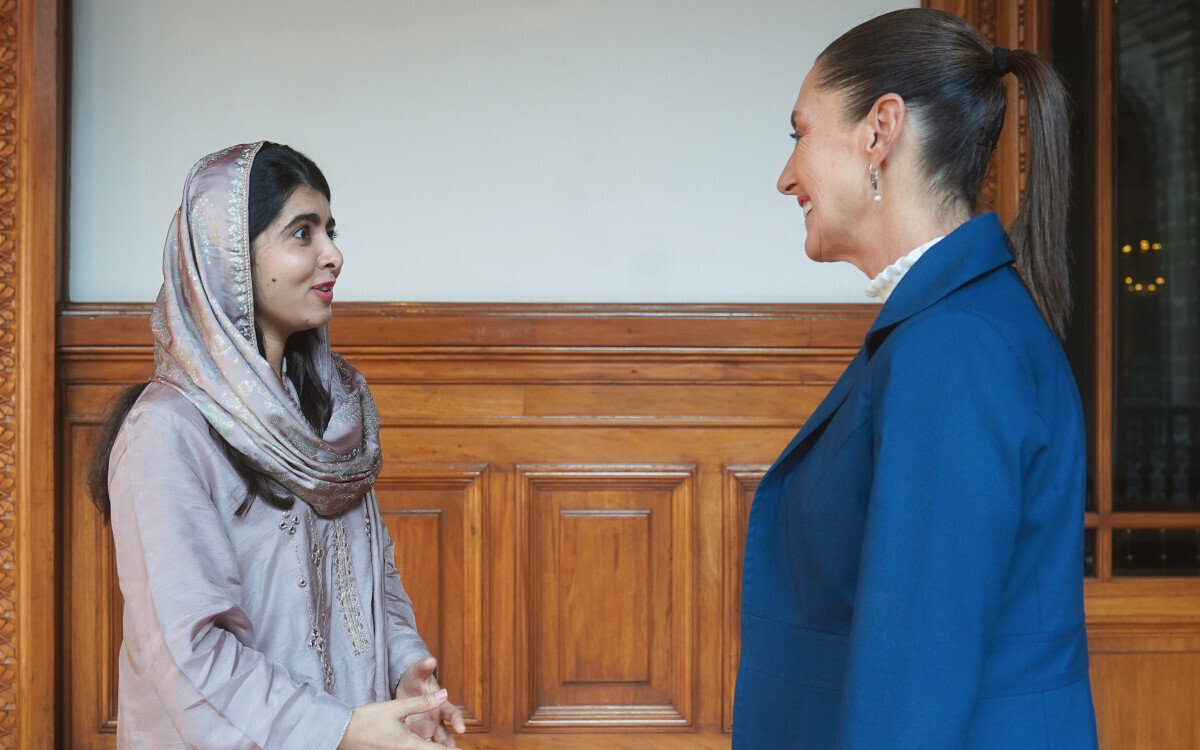
Recently, Malala Yousafzai was received by President Claudia Sheinbaum at the National Palace, where both agreed on the importance of access to education for all women. Additionally, in 2017, she was appointed United Nations Messenger of Peace by Secretary-General António Guterres, with the aim of raising awareness about the relevance of female education.
In Pakistan, more than 2 million people have supported the petition for the right to education, leading to the ratification of the first Bill on the Right to Free and Compulsory Education in the country. In 2013, Malala and her father created the Malala Fund to raise awareness about the social and economic importance of girls' education and empower them to demand meaningful changes.
Malala Yousafzai has stood out for her tireless efforts in favor of female education, being an example of courage and determination for millions of people around the world. In 2014, she became the youngest recipient of the Nobel Peace Prize, a recognition of her constant struggle for a more equal and educated world.